

 New Worlds of Body, Mind & Spirit Since 1901
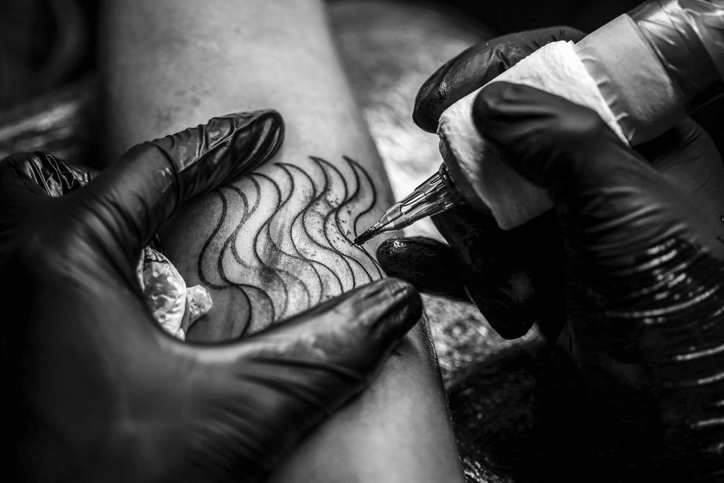
If you've read my book, Tattoo Magick, you know there is a lot of magick to be made. But I'll let you in on a little bonus magick: you can put thoughtforms in your tattoos. What's a thoughtform, and why do you care? Excellent questions, imaginary-reader-who's-a-convenient-plot-device! A thoughtform is what its constituent parts suggest: it's a thought, or thoughts, made form. It stands to reason that if we can work magick, we can change reality with our thoughts. And if we can change reality with our thoughts, is it really a leap to believe we can create reality? Or at least, create something? Don't believe me? Meet Philip. In Toronto in 1972, a group of people including a geneticist, ...
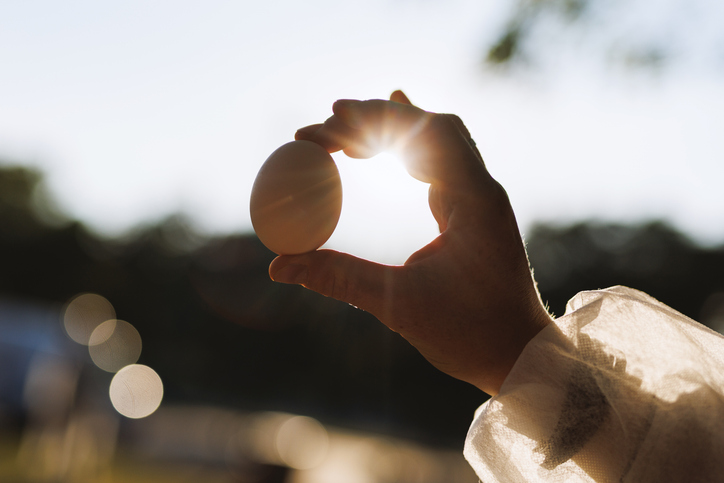
My earliest memory of a limpia (a ritual practice of energy clearing) is from when I was around 6 or 7 years old. I was going through susto, a moment in time when my soul was fragmented due to a traumatic experience, and I was having trouble sleeping, eating, and feeling the happiness that a kid at that age should feel. My mother took me to one of my aunts to rebalance my energy. Growing up in Mexico, I got to witness how, despite colonization, we still practice and keep some of our pre-Hispanic Mesoamerican rituals, including the upe of limpias with herbs, eggs, and copal. Although there are some protocols to follow when performing a limpia, and certain energetic spaces in the human ...
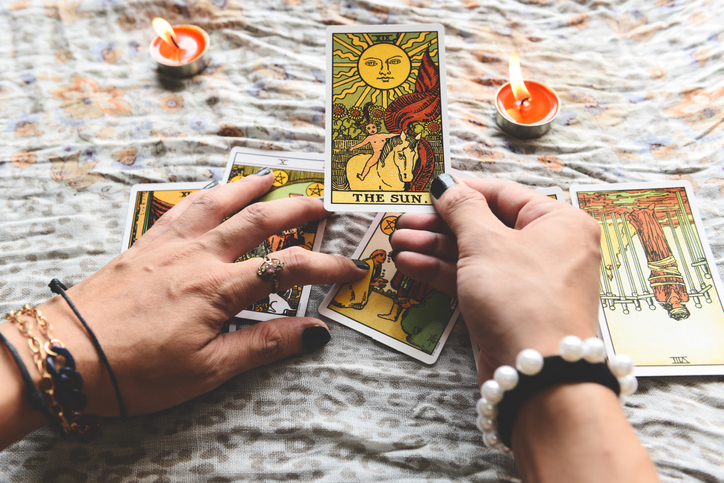
¡Hola mis amores! It's Your Favorite Fortune Teller, Fernie, the author of The Joy of Tarot and the supermodel for sequined caftans and feathered fans of the world! One of the major reasons I wrote The Joy of Tarot was because I wanted to infuse a little more glitter and a whole lot more magic into our lives; tarot is one of the most beautiful ways that I do this in my own life, and I wanted to share that with all of you gorgeous folx. Joy has many permutations, meanings, and ways of being, but what I believe always holds true about "joy" is that it is inherent in all of us and we are all worthy of experiencing it. Whether you love the quiet joy of a Sunday morning alone, the ...
There are palm trees in Ireland. Did you know that? Palm trees. We expect palms in tropical locations, like Mexico, Bali, and films like The Pirates of the Caribbean. In Ireland, I supposed we should expect species like yew, wych elm, and those talking trees from The Lord of the Rings. In the 1800s, sailors brought palm trees to Ireland from New Zealand and the plants took root, enjoying the warm ocean currents lapping at the southwestern shores. One of the palms is the cabbage palm. The edible part of the cabbage palm is a bud, which looks like a cabbage, and when cooked, tastes surprisingly like cabbage. Is this palm related to cabbages? No. Of course not. Don't be silly. Palm ...