

 New Worlds of Body, Mind & Spirit Since 1901
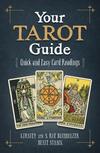
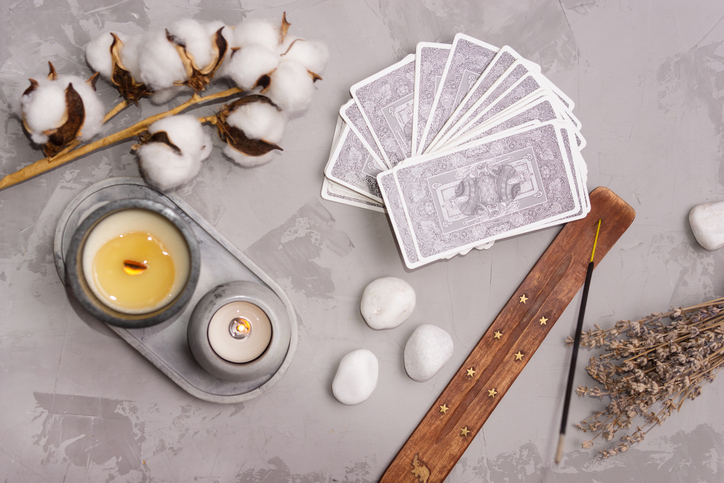 Tarot may be read all over the world, but the way readers approach the cards can differ significantly between Europe and the United States. These differences are not about right or wrong; rather, they reflect different historical traditions that shaped how Tarot is practiced today. Modern American Tarot culture is strongly influenced by the Rider-Waite-Smith deck. Because every card contains detailed imagery, many readers are encouraged to interpret the cards intuitively. The focus is often on personal insight, self-reflection, and psychological growth. Tarot becomes a tool for exploring inner questions. In Europe, Tarot traditions developed somewhat differently. While the Rider-Waite-Smith deck is widely used today, many reading traditions evolved from older cartomancy practices. Readers often worked with Marseille-style decks or structured interpretive systems that relied heavily on card combinations, numerical symbolism, and practical prediction. This led to a slightly different reading culture. American Tarot teaching often emphasizes intuition and personal interpretation, while many European readers combine intuition with clear technique. Patterns within a spread, recurring numbers, elemental correspondences, and the interaction between cards all play an important role. As a result, European readers frequently develop methods that allow them to read quickly and clearly—even in complex situations. Instead of memorizing long interpretations, many professionals rely on concise keywords and structured correspondences that help them see the essence of a card at a glance. For English-speaking readers, this perspective can be refreshing. It offers a bridge between intuitive reading and practical method. When structure and intuition work together, Tarot becomes both accessible and precise. This is exactly the idea behind Your Tarot Guide: Quick and Easy Card Readings. The book brings together practical keywords, correspondences, and essential meanings for the Rider-Waite-Smith cards, drawing inspiration from the European tradition of clear, structured Tarot reading while remaining accessible for modern readers. When different Tarot cultures meet, the practice becomes richer. Learning from European reading traditions can add clarity and technique, while the intuitive spirit of modern Tarot keeps the cards alive and personal. In the end, Tarot thrives when both approaches work together. |

Kirsten Buchholzer is a German author and teacher known for her distinctive approach to Tarot and symbolic work. Her writing blends classical Tarot traditions with psychological insight and decades of hands-on consulting ...