

 New Worlds of Body, Mind & Spirit Since 1901
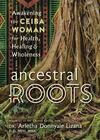
 My grandmothers never called it a wellness practice. It was just how to live. They kept positive attitudes, grew veggies and herbs. Sat with sick neighbors and prayed over them. Walked daily and sang and prayed alot. They knew, without any clinical language for it, that the body and the soul were not separate and that healing was never meant to happen alone. One grandmother lived to 92, the other lived to 105 years old. But somewhere between their generation and mine, something was severed. Black women in America entered a healthcare system that was not built to honor us, one that has consistently dismissed our pain, undertreated our symptoms, and left us to navigate chronic illness, maternal mortality, and preventable disease at rates that should shock the conscience of a nation. We lost the thread. And too many of us are paying for it with our lives. Writing Ancestral Roots: Awakening the Ceiba Woman for Health, Healing & Wholeness, and through my ongoing Hidden Healing podcast series, I have spent years tracing that thread back to its source. What I found is that our ancestors did not simply survive, they thrived, and they left us a blueprint. The wisdom is still there. We have to choose to pick it back up. Our ancestors did not simply survive—they thrived. They left us a blueprint. The wisdom is still there. We have to choose to pick it back up. Here are seven ways to begin. 1. Understand that Your Health Is Rooted in Your History Your health is not separate from your history. The stress your ancestors carried—the trauma of displacement, of systemic exclusion, of survival under impossible odds—lives in your body as epigenetic memory. Researchers are only beginning to understand what ancestral traditions have always known: that what was not healed in the generations before us is passed forward. Reclaiming your health begins with acknowledging this inheritance honestly, without shame, but with clear eyes. You are not starting from zero. You are starting from a lineage that survived, and the strength that allowed them to survive is also in you. Practice: Spend time researching what your grandparents and great-grandparents died from. Research what ailments run in your family. Note patterns. This is not meant to frighten you; it is meant to equip you. Family health history is ancestral data, and data is power. 2. Know Your Numbers… All of Them Your ancestors tracked the signals their bodies gave them; changes in energy, digestion, sleep, mood, because those signals were all they had. Today, we have laboratory science that can give us precise measurements of what is happening inside our bodies...but only if we ask for them. There are critical health numbers that every Black woman should know and track, and many of us do not because standard care does not always offer them unless we specifically request them. These include: blood pressure, fasting blood sugar and A1C, vitamin D levels, iron and ferritin, thyroid function (TSH, free T3, free T4), inflammatory markers (including C-reactive protein), hormone panels, and bone density baseline. Black women are disproportionately affected by hypertension, Type 2 diabetes, fibroids, thyroid disorders, and vitamin D deficiency, conditions that are often silent until they become severe. Knowing your numbers is the first act of self-advocacy. Practice: At your next medical appointment, ask your provider to run a complete panel that includes vitamin D, inflammatory markers, and a full thyroid screen. If they push back, you push back. You have the right to complete information about your own body. Knowing your numbers is the first act of self-advocacy. Your body has been sending signals your whole life. Now it is time to listen with precision. 3. Reclaim Food as Medicine Reclaiming food as medicine does not require perfection or the elimination of everything you love. It requires intentionality. It requires asking: What did my people eat before survival required convenience? And how can I bring even a piece of that nourishment back into my daily life? Practice: Identify one traditional food from your lineage or from West African or Caribbean culinary tradition that you have not cooked in a while. Research its nutritional and medicinal properties. Cook it this week with intention. Give thanks for what it carries. 4. Heal in Community… Health Is Not Optional We learned to hold ourselves together in public and fall apart in secret. We learned that asking for help was weakness. We learned to be strong when strength was killing us. But our ancestors did not heal alone. Healing was communal: done in circle, in ceremony, in the company of elders who had survived what you were surviving. The communal healing circle was not a luxury. It was infrastructure. Research consistently shows that social connection is one of the strongest predictors of health and longevity. Isolation increases the risk of cardiovascular disease, accelerates cognitive decline, and elevates chronic inflammation. Community is not just emotionally important. It is biologically necessary. Through the Hidden Healing podcast and the Ceiba Women community, I witness what happens when Black women are given permission to be in circle with each other, to speak their health fears aloud, to share what has worked, to hold each other accountable for their own care. The healing that happens in community is different from the healing that happens alone. It is deeper. It lasts. Practice: Find or create one health-focused community space with other Black women. This could be a walking group, a virtual wellness circle, a book club reading about ancestral healing. Show up consistently. Let yourself be witnessed. 5. Honor the Spiritual Dimensions of Your Health We are spirit. We carry the grief that was never processed, the prayers that were never answered, the losses that were never mourned. These undigested spiritual experiences do not disappear—they lodge in the body. They become chronic tension, autoimmune response, disrupted sleep, and unexplained pain. You do not have to practice Ifá or any particular tradition to honor this truth. What is required is only this: that you take the spiritual dimensions of your health as seriously as the physical ones. That you create regular practices of release—prayer, meditation, ceremony, ancestral remembrance—that give your nervous system somewhere to put what it has been carrying. Even five minutes of stillness each morning with intentional breath can begin to shift what has been stored. The ancestors were not praying because they were superstitious; they were praying because they understood that a regulated spirit is the foundation of a regulated body. Practice: Create a simple morning practice of ancestral acknowledgment. Speak the names of your grandmothers. Light a candle if that feels right. Ask for their guidance. Then sit in silence and breathe. Notice what moves. You do not have to practice any particular tradition to honor this truth—only that you take the spiritual dimensions of your health as seriously as the physical ones. 6. Expand Your Definition of Healthcare Beyond American Borders Black American women are traveling internationally for healthcare, to places like Spain, Costa Rica, Ghana, Turkey, Thailand, and Mexico, at increasing rates, not out of desperation, but out of strategy. They are discovering healthcare systems where the cost of a specialist consultation is a fraction of what it is in the United States, where providers take time to listen, where the experience of being a patient does not feel like an obstacle course. Spain, in particular, has a universal healthcare system consistently ranked among the best in the world. Quality specialty care (gynecology, oncology, endocrinology, orthopedics) is available to international patients at transparent prices, with English-speaking providers increasingly accessible. A fibroid consultation that costs thousands out-of-pocket in the US may cost a few hundred euros in Valencia or Madrid. This is not a fringe idea. It is a growing movement of Black women who have decided that the ancestors' resilience did not require settling for less, and neither does theirs. I've created programs to make this path accessible: providing the navigation, the cultural competency, and the care coordination that Black American women need to access international healthcare with confidence and safety. Practice: Begin researching one international healthcare destination that interests you. Look at cost comparisons for a procedure or consultation you have been putting off. Let yourself consider that there may be another way. 7. Practice Becoming… Not Just Surviving But becoming is the birthright our ancestors sacrificed for us to have. It is the life that is possible when your health is not in crisis, when your spirit is not depleted, when you are finally free to grow into the fullness of who you were made to be. Reclaiming your health through ancestral wisdom is not simply about fixing what is broken. It is about building a life in which your body is a home you feel safe in, your lineage is a source of strength rather than fear, and your healing becomes something you eventually give back—to your children, your community, your people. My grandmothers never called it a wellness practice. But they lived it fully. They became. And because they did, I was able to. You carry them, too: the ones who prayed you forward, who held the thread so you could find your way back. They are not gone. They are in your cells, in your breath, in the resilience you sometimes forget you have. Pick up the thread. Come home to yourself. The healing begins now. Becoming is the birthright our ancestors sacrificed for us to have. Reclaiming your health is not simply about fixing what is broken—it is about building a life your lineage made possible. |
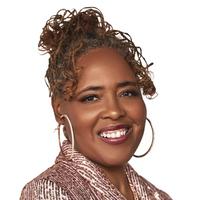
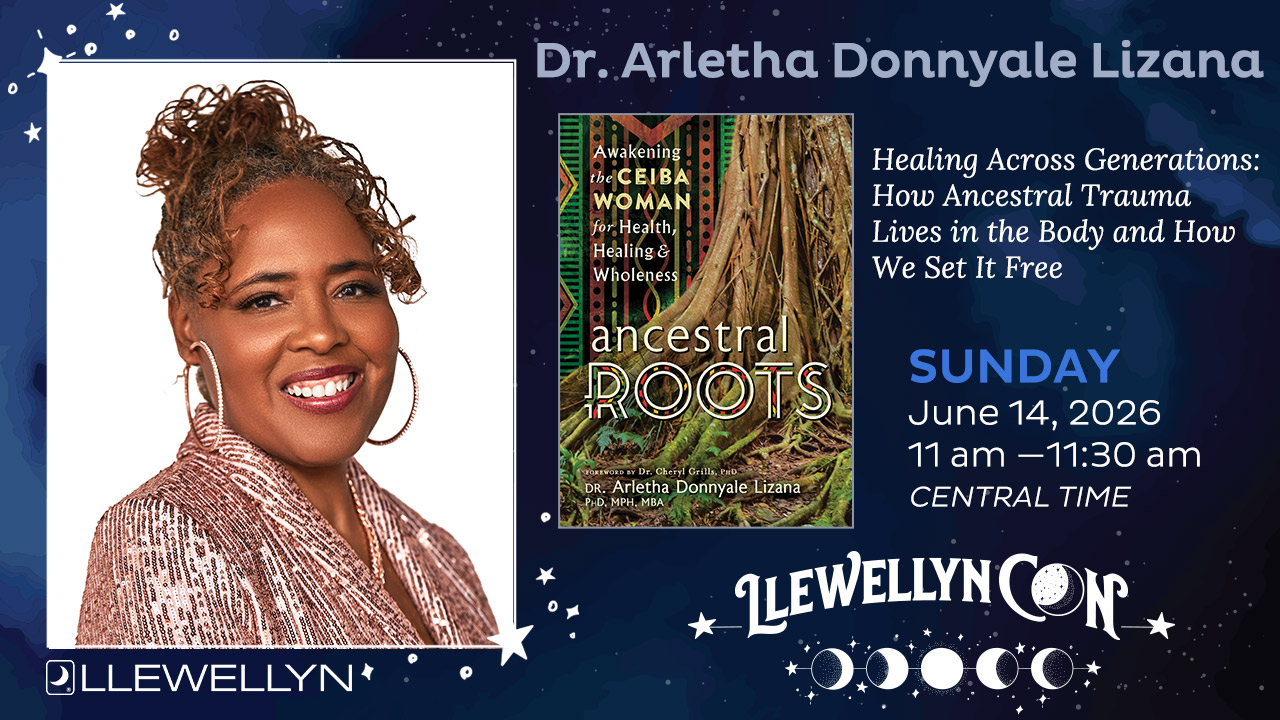
Dr. Arletha Donnyale Lizana, PhD, MPH, MBA, is a trailblazer in merging traditional healing with modern healthcare practices, standing as a distinguished figure in health innovation and strategy. Her extensive experience in ...